

Education

On the afternoon of August 27, the fourth session of the 2025 “Tracing the Root, Tackling the Rare” clinical case discussion series was successfully held in the Academic Building. Jointly organized by the Clinical Medical School and the Medical Affairs Office, and hosted by the Department of Respiratory Medicine, the session engaged faculty and students from within and beyond the hospital through both onsite attendance and online participation.
Centered on the theme “The ‘Rashomon’ in a Dilated Airway,” this case discussion was moderated by Dr. Li Ping from the Clinical Medical School, with Chief Physician Yang Danrong of the Department of Respiratory Medicine serving as the discussion chair. A multidisciplinary expert panel, consisting of Chief Physician Chen Xiaohua (Infectious Diseases), Chief Physician Tang Jin (Clinical Laboratory), Chief Physician Chen Zhiyong (Rheumatology and Immunology), Associate Chief Physician Zhang Guobin (Radiology), and Chief Pharmacist Yang Li (Pharmacy), jointly discussed the case of a 60-year-old female patient with a 30-year history of recurrent cough, sputum production, and wheezing, which had progressively worsened over the preceding two months.
The case discussion began with a presentation by Dr. Fu Zhangfan, a resident physician from the Internal Medicine residency program. She detailed the patient’s history of present illness, past medical history, physical examination findings, and auxiliary test results, guiding attendees to contemplate the clinical features and diagnostic criteria for pulmonary aspergillosis, as well as the etiological screening process for bronchiectasis. Building upon this foundation, attending physician Dr. Zhu Yimin conducted a focused analysis of treatable causes of bronchiectasis and corresponding diagnostic and therapeutic pathways, further clarifying the diagnostic direction.
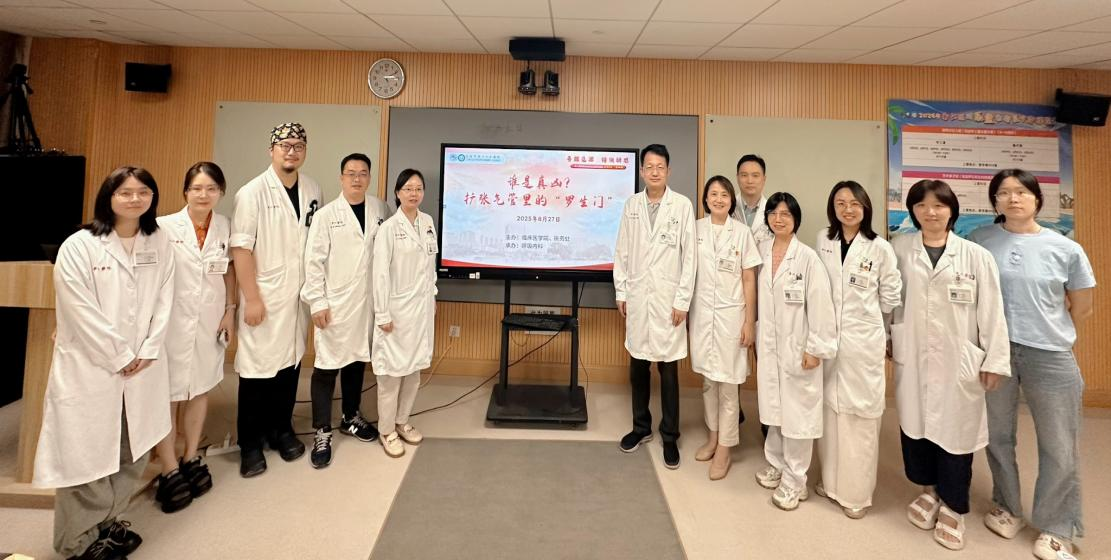
During the expert exchange, Chief Physician Yang Danrong led the resident physicians through a detailed discussion of auxiliary testing strategies, specialized examinations, and differential diagnoses, before initiating a multidisciplinary team (MDT) consultation. From a microbiological perspective, Chief Physician Tang Jin examined diagnostic approaches for pulmonary aspergillosis and highlighted common pitfalls in microbiological testing. Chief Pharmacist Yang Li provided a systematic overview of antifungal drug–induced liver injury and corresponding pharmaceutical care strategies. Associate Chief Physician Zhang Guobin offered an in-depth interpretation of radiological findings, focusing on potential etiological differentiations based on imaging characteristics. Chief Physician Chen Zhiyong discussed bronchiectasis associated with connective tissue diseases, outlining common manifestations and diagnostic pathways. Chief Physician Chen Xiaohua analyzed key diagnostic points and treatment strategies for pulmonary non-tuberculous mycobacterial infections, contributing an infectious disease perspective to the comprehensive evaluation.
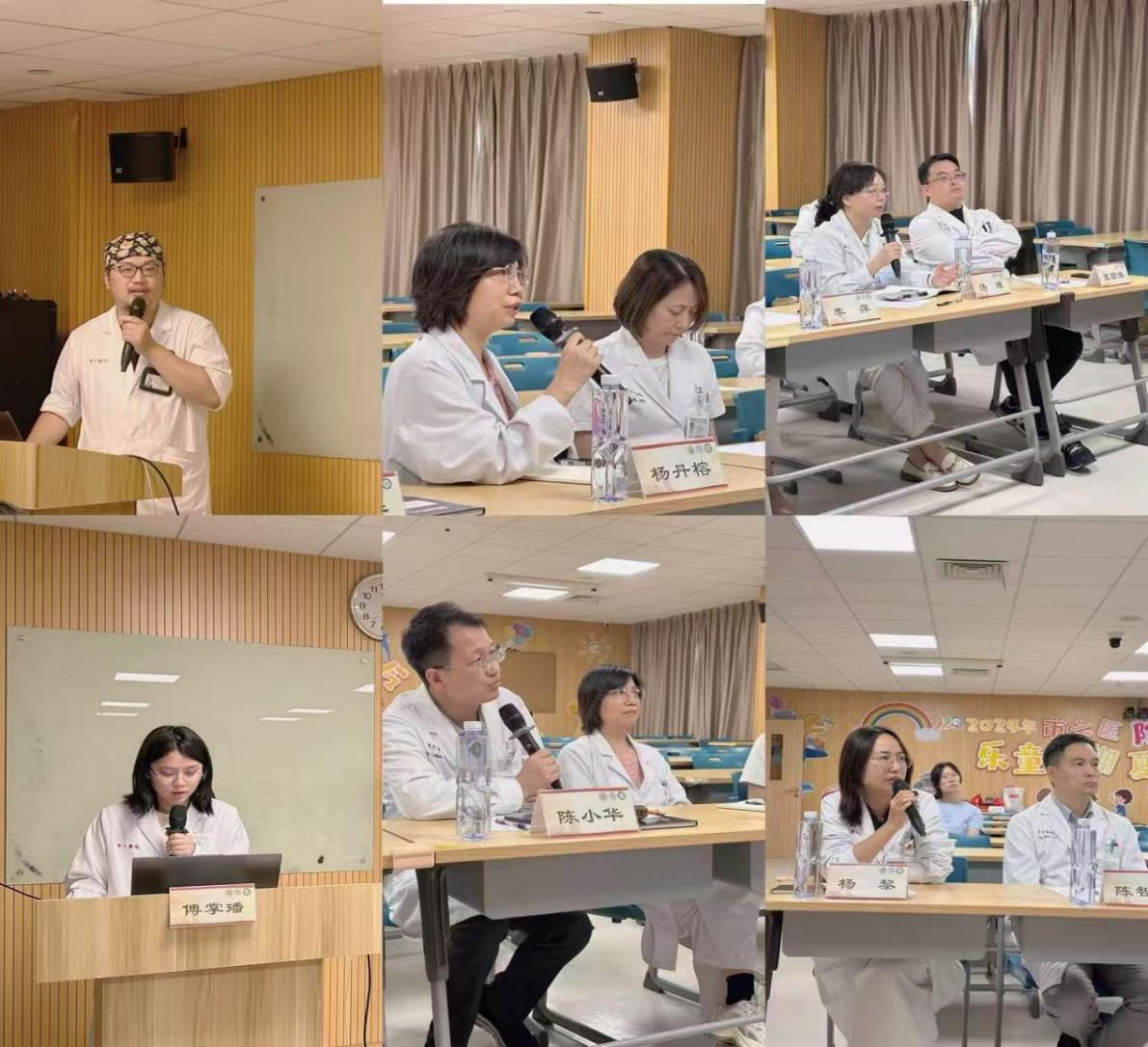
Through progressive, layered discussion, the session delved deeply into the etiological identification and therapeutic decision-making for bronchiectasis. Expert viewpoints were exchanged actively, fostering a dynamic and engaging academic atmosphere.
In conclusion, Chief Physician Yang Danrong summarized the session. She emphasized that this case not only provided a deep understanding of the diagnosis and treatment strategies for bronchiectasis but also underscored the crucial importance of multidisciplinary collaboration in managing complex cases. Although bronchiectasis is a common condition in respiratory medicine, its etiology is extremely complex. Timely identification of intervenable and treatable causes, followed by targeted therapy, is key to improving patient prognosis and quality of life. The discussion highlighted the importance of comprehensive clinical assessment, accurate diagnosis, individualized treatment planning, and diligent follow-up. It also served as a reminder for clinicians to maintain critical thinking and rigorous analysis in daily practice, continually striving to optimize care for patients.

